Introduction
In a world increasingly concentrated on personalized health care, enteral nutrition support has actually emerged as a vital component for individuals incapable to take in food orally. As we delve into the future of this essential field, we will certainly explore the trends and advancements forming enteral nourishment, particularly in relation to PEG (Percutaneous Endoscopic Gastrostomy) feeding. This comprehensive article will certainly cover numerous aspects, including training programs such as NDIS PEG feeding training and programs aimed at medical care professionals.
The Future of Enteral Nutrition Support: Trends and Advancements to See For
Enteral nutrition support is seeing substantial changes because of improvements in innovation, raised awareness concerning patient-centered care, and continuous study into nutritional needs. With an expanding understanding of the intricacies associated with enteral feeding, there are various trends that experts and caregivers should keep an eye on.
1. Technological Developments in Enteral Feeding
1.1 Smart Feeding Pumps
One of the most amazing advancements is the development of wise feeding pumps geared up with real-time surveillance systems. These devices can track client conformity, nutrient shipment prices, and even alert caretakers if there are concerns with the feeding process.
1.2 Telehealth Capabilities
Telehealth is changing medical care by allowing remote surveillance and consultations. In enteral nutrition support, this means individuals can obtain care from home while healthcare providers monitor their dietary consumption with digital platforms.
2. Enhanced Training Programs for Medical Care Providers
2.1 NDIS PEG Feeding Training
As extra medical care professionals involve with enteral nutrition support, specialized training becomes critical. The National Impairment Insurance System (NDIS) supplies PEG feeding training that gears up nurses and support workers with essential skills to handle enteral feeding effectively.
2.2 Enteral Feeding Support Courses
Various universities are providing extensive programs focusing on enteral feeding techniques and finest techniques. These programs emphasize hands-on training and theoretical knowledge, guaranteeing participants comprehend both the sensible and emotional facets of giving care.
3. Enhancing Concentrate On Patient-Centered Care
3.1 Personalized Nutrition Plans
Moving far from one-size-fits-all methods, doctor are now focusing on individualized nourishment strategies customized to each patient's one-of-a-kind demands and choices. This trend cultivates far better compliance and improves wellness outcomes.
3.2 Family Involvement in Treatment Plans
Engaging households in enteral nutrition conversations boosts client comfort and adherence to dietary referrals. Educating member of the family concerning PEG feeding enables them to come to be active participants in the person's treatment journey.
4. Innovations in Nutritional Products
4.1 Personalized Nutritional Formulas
Advancements in dietary items allow for adjustable solutions that fulfill individual demands based upon case history, allergies, or dietary preferences.

4.2 Plant-Based Options for Enteral Nutrition
With the increase of plant-based diets, suppliers are establishing vegan-friendly enteral nourishment items that offer essential nutrients without animal-derived ingredients.
5. Study Advancements in Enteral Nutrition Support
5.1 Studies on Intestine Microbiome Impact
Recent research study suggests that digestive tract microbiomes play a considerable function in overall wellness; thus, integrating prebiotics or probiotics into enteral feeds could improve client recovery times.
5.2 Long-Term Impacts of Enteral Feedings
Ongoing researches aim to check out the lasting implications of enterally fed people concerning metabolic actions and general health outcomes.
6. Regulatory Modifications Influencing Enteral Nutrition Practices
6.1 Updates from Health And Wellness Authorities
Health authorities worldwide are regularly upgrading guidelines bordering safe practices related to PEG tube insertions and upkeep methods to ensure optimal individual safety.
6.2 Effect of Repayment Plans on Care Quality
Changes in reimbursement plans can substantially influence just how health care facilities allot resources toward enteral nutrition support services.
7. Partnership Across Techniques for Boosted Outcomes
7.1 Interdisciplinary Team Approaches
An interdisciplinary technique involving dietitians, registered nurses, doctors, and pharmacists guarantees alternative look after individuals needing enteral nutrition support.
7.2 Community Engagement Initiatives
Community programs focused on educating both individuals and families concerning PEG feeding can foster higher understanding and approval of this vital therapy option.
8. The Role of Innovation in Education And Learning: Online Courses & Certifications
8.1 Accessibility of Online PEG Educating Courses
Online platforms use flexible knowing chances for health professionals curious about boosting their abilities via recognized programs such as peg training for nurses or fix training for support workers.
|Course Call|Period|Qualification|| ----------------------------------------|------------|-------------------|| Enteral Feeding Support Course|5 weeks|Yes|| NDIS PEG Feeding Training|4 weeks|Yes|| Advanced PEG Tube Monitoring|3 weeks|Yes|| Pediatric Enteral Nutrition Program|6 weeks|Yes|
FAQs
Q: What is PEG feeding?
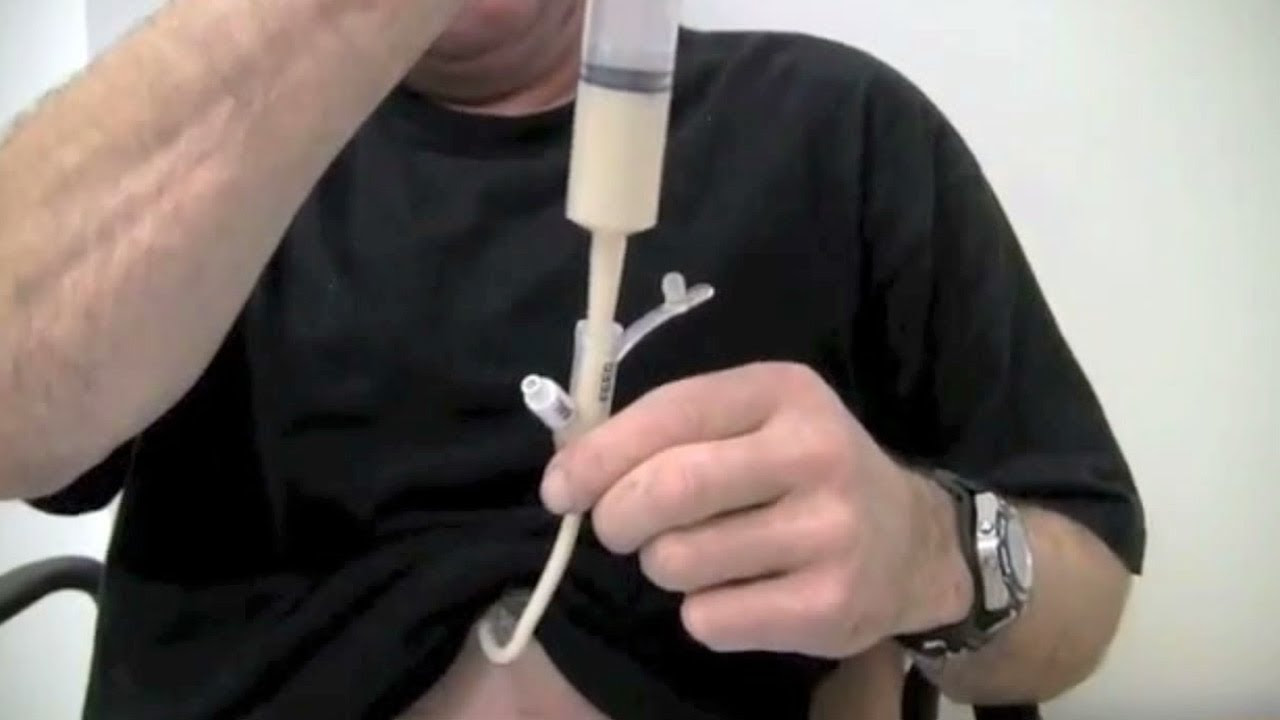
A: Percutaneous Endoscopic Gastrostomy (PEG) feeding entails putting a tube directly into the belly where fluid nutrition is delivered when dental consumption isn't feasible.
Q: How does NDIS impact PEG feeding training?
A: The NDIS provides funding for impairment services consisting of specialized training for caretakers included with PEG feeding management, making sure quality care for people with handicaps needing nutritional support.
Q: Why is patient-centered treatment vital in enteral nutrition?
A: Patient-centered care prioritizes private preferences and needs which can result in improved adherence to nutritional procedures causing better health and wellness outcomes overall.
Q: What credentials do I require for getting in a peg feeding course?
A: Generally, individuals should have a history in nursing or allied health services; nevertheless some introductory courses may be open to any interested individuals willing to learn more about enteral nutrition support principles.
Q: Exist threats connected with PEG feedings?
A: Like any medical procedure, there are threats including infection at insertion sites or issues occurring from tube dislodgment; proper training minimizes these threats significantly.
Conclusion
The future landscape of enteral nutrition support is poised for amazing developments driven by technological developments, enhanced training programs like NDIS peg feeding training, Check out this site personalized care techniques, innovative dietary products, recurring research endeavors, regulatory adjustments fostering security requirements throughout practices-- all finishing in the direction of boosted client end results through efficient management methods focused around PEG feedings.
As we look ahead-- both individuals requiring assistance with their dietary demands-- and dedicated professionals involved within this field-- must stay hip to towards these arising fads! By accepting these developments together-- the trip towards accomplishing optimal health and wellness through tailored remedies comes to be progressively attainable!